Savoring the Caribbean Food Centennial One Dish at a Time
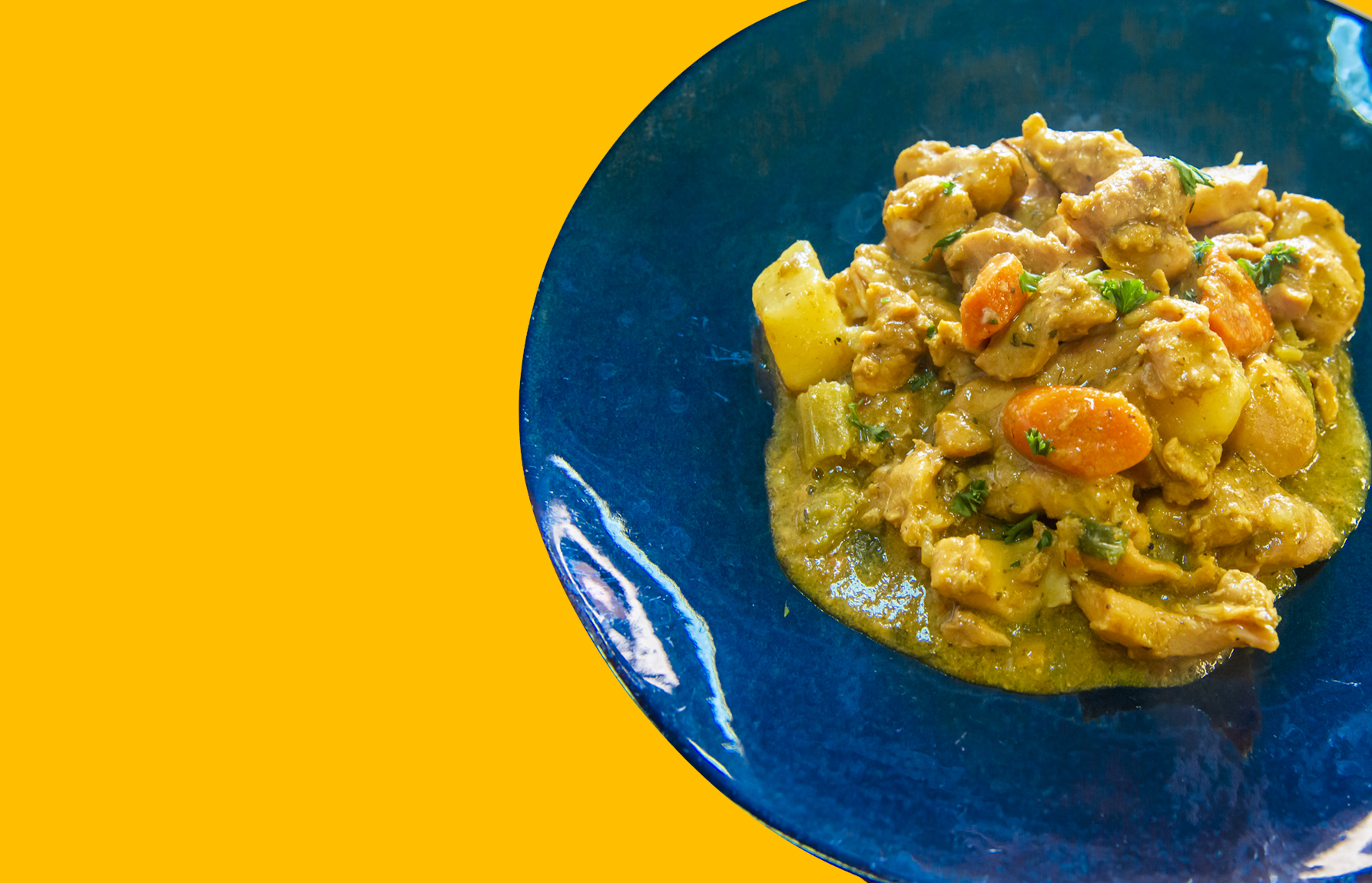
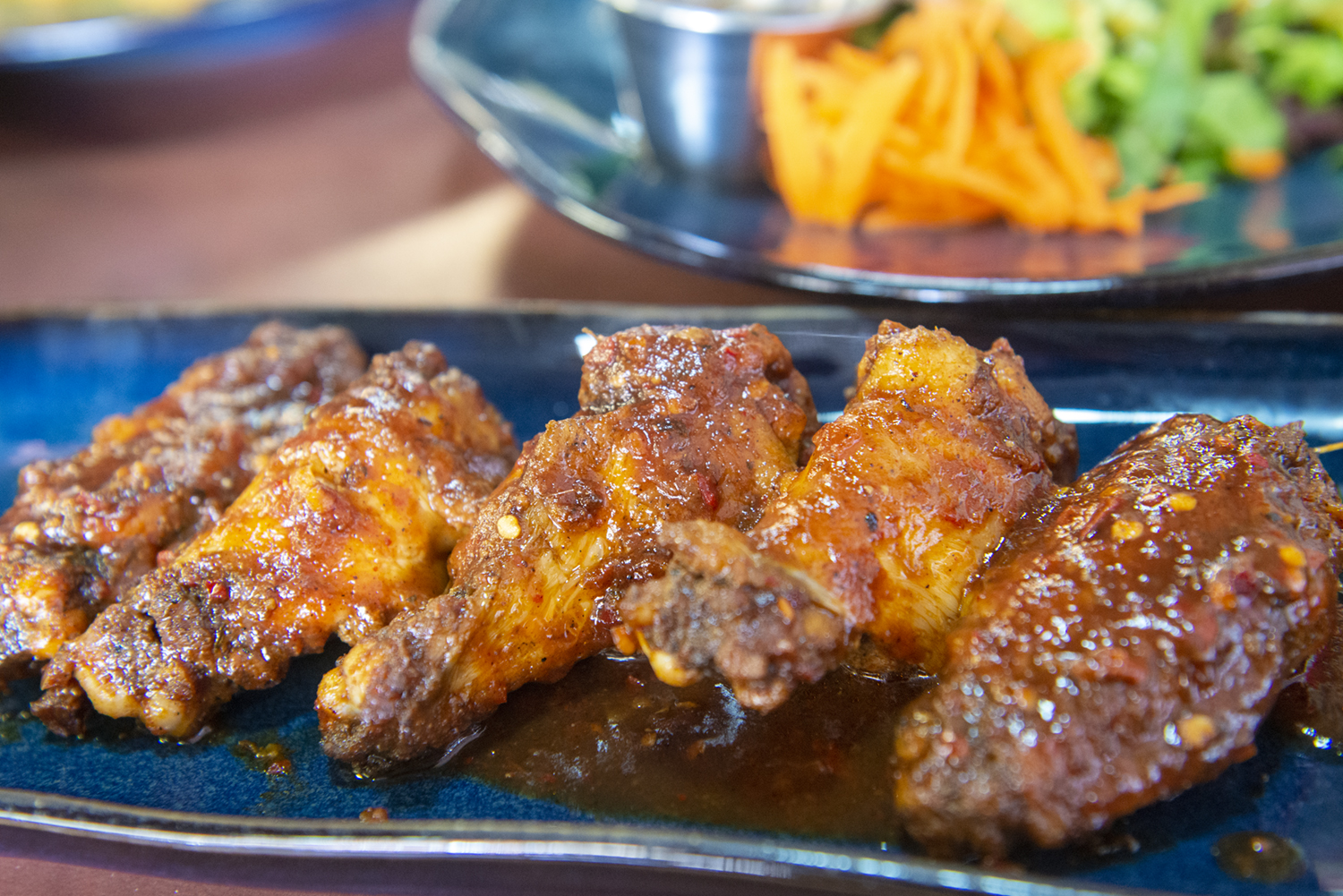
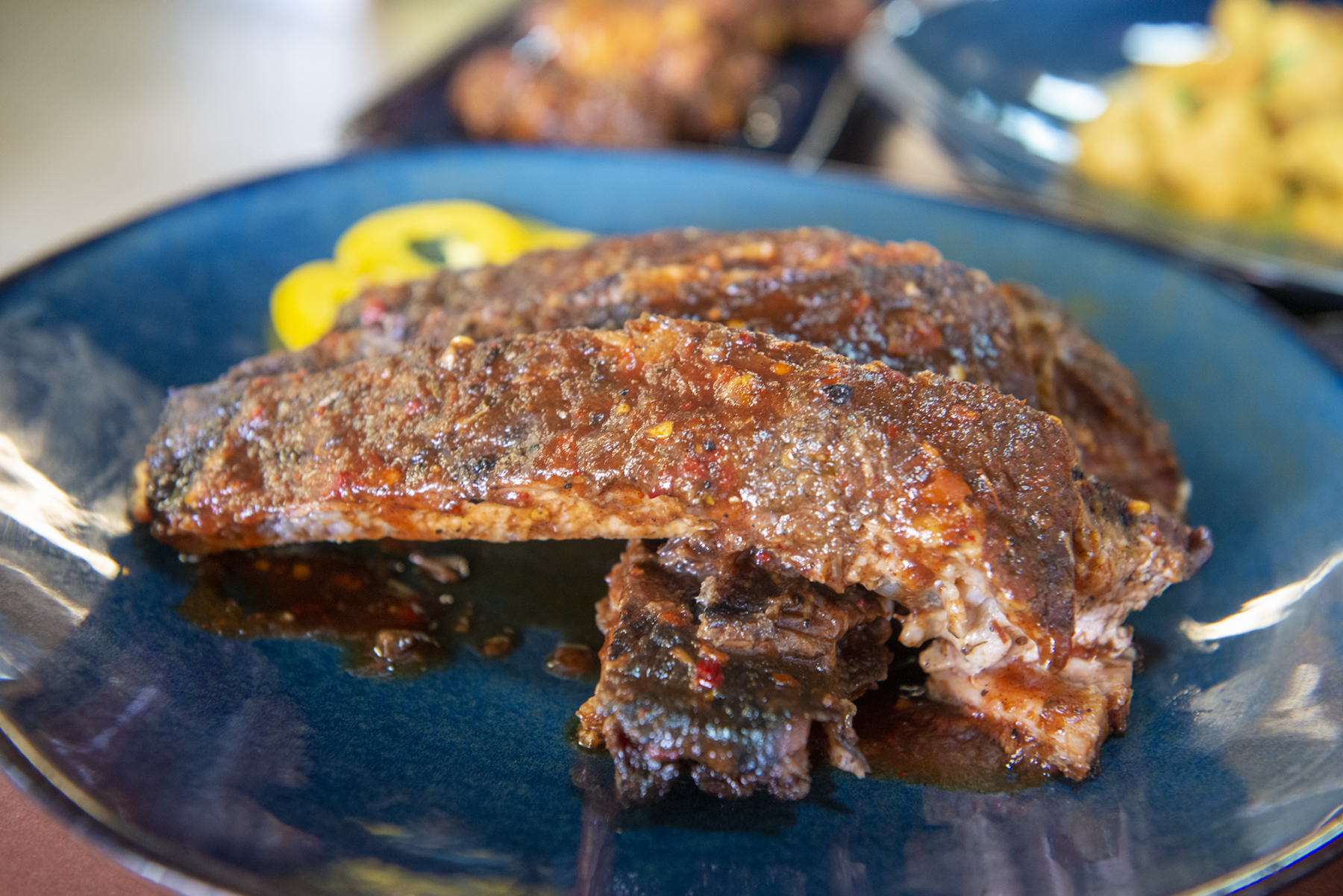
There are anniversaries marked with speeches, plaques, and carefully staged photographs. Then there are anniversaries best understood at the table, where memory sits beside appetite and history arrives on the spoon. A Caribbean food centennial belongs in the second category. Food in the Caribbean has never been just food. It has always carried labor, migration, adaptation, resistance, celebration, and the quiet ingenuity of home cooks who knew how to stretch a pot without thinning its flavor.
To talk about a centennial through Caribbean cooking is to talk about a hundred years of continuity and change that can be tasted. You find it in the way cassava survives in kitchens that now keep imported flour on hand. You hear it in arguments over whether one island’s pepperpot should be darker, sweeter, or thicker than another’s. You smell it in green seasoning pounded fresh, in coconut milk turning a pot glossy, in frying oil perfumed by plantain, saltfish, or festival batter. The centennial frame matters because it asks a useful question: what has remained essential after a century of upheaval, tourism, migration, trade, and modern convenience?
The answer, more often than not, is not a single dish. It is a way of cooking and gathering that still feels recognizably Caribbean even when ingredients shift, budgets tighten, or cooks move thousands of miles from the islands where they learned.
A century told through the pot
The Caribbean is often flattened into a postcard. Beaches, rum, maybe jerk if the marketing team is feeling specific. Anyone who has spent real time eating across the region knows that simplification collapses almost immediately. The cooking of Jamaica is not the cooking of Trinidad and Tobago. Haitian soups, Dominican stews, Bajan cutters, Curaçaoan seafood, Puerto Rican rice dishes, and Guyanese curries all carry distinct signatures. Even within one island, one parish or village can insist that another is doing things the wrong way.
Yet across this variety, a centennial lens reveals familiar patterns. Caribbean food has been shaped by Indigenous knowledge, African technique and endurance, European colonial systems, Indian indentureship, Chinese migration, Middle Eastern trade, and local improvisation in the face of scarcity. You can trace those forces in staple ingredients and methods. Rice and peas are not just rice and peas. They are a record of global movement and local decision making. Pepper sauces are not simply condiments. They preserve harvests, wake up bland starches, and broadcast regional identity in a few sharp drops.
A hundred years ago, many Caribbean kitchens depended far more heavily on what was local, seasonal, or bartered. Refrigeration was less common. Imported goods existed, but they did not yet dominate everyday cooking in the way canned, frozen, and packaged products sometimes do now. That older food rhythm required patience and skill. Breadfruit had to be timed correctly. Salted meat needed soaking. Tough cuts needed long cooking. Ground provisions, from yam to eddoes to dasheen, had to be judged by feel and not by package directions.
What changed over the century was not only access to ingredients, but also the social meaning of certain dishes. Foods once associated with necessity, rural life, or hard times often become symbols of pride later on. I have seen this dynamic repeatedly in Caribbean communities abroad. The children who once begged for sandwiches instead of leftover stew grow up and spend serious money hunting for the exact style of soup their grandmother made with split peas and dumplings. The dish does not change nearly as much as the eye looking at it.
The dishes that carry more than flavor
Some foods do more archival work than others. They hold festivals, funerals, Sundays, market days, and national holidays inside them. If you want to understand the emotional architecture of a Caribbean food centennial, start with those dishes.
Soup is one of the clearest examples. Across the region, soups often function as both meal and ritual. Jamaican mannish water, Haitian soup joumou, Trinidadian corn soup, and thick provision-based broths from smaller islands all express the same belief that a pot can nourish beyond hunger. Soup restores. Soup welcomes. Soup marks transition. It is practical enough for a crowd, but expressive enough to reveal the hand of the cook.
Rice dishes tell another story. Pelau, cook-up rice, rice and peas, arroz con gandules, and related preparations show how one-pot cooking became an art form under pressure. These dishes are efficient, yes, but efficiency does not explain their staying power. The real appeal lies in how they absorb the character of what surrounds them: the smokiness from browning sugar, the depth from pigeon peas, the sweetness from coconut milk, the savory notes from salted meat, pigtail, chicken, or fresh herbs. A skilled cook can make a rice pot taste abundant even when the protein is modest.
Then there is starch, arguably the least glamorous and most essential part of the region’s culinary identity. Fried plantain, boiled green banana, roasted breadfruit, bakes, festivals, cassava pone, cou-cou, and dumplings are often treated by outsiders as supporting players. In practice, they anchor meals. They fill space on the plate and in the memory. They are also where technique reveals itself. Plantain can be sweet, creamy, and caramelized, or greasy and flat. Dumplings can be tender or leaden. Breadfruit can be fluffy and almost chestnut-like, or dry enough to make you reach for water.
If there is one lesson a Caribbean table teaches quickly, it is that humble ingredients leave no room to hide. A dish built from green banana, saltfish, onion, thyme, and pepper depends entirely on judgment. Timing matters. Salt balance matters. The cut of the onion matters. So does the point at which the pepper is aromatic rather than aggressive. The best cooks know this instinctively.
Why preservation matters now
Talking about a Caribbean caribbean food centennial food centennial is not nostalgia for nostalgia’s sake. Preservation has become urgent for several practical reasons. First, the region’s food systems face pressure from climate volatility, import dependence, and changing agricultural patterns. Second, migration has dispersed communities so widely that the transmission of cooking knowledge can become uneven. Third, the hospitality industry, useful as it can be, often rewards a narrowed version of Caribbean cuisine, one that is easier to market than to live with every day.
When food traditions are not documented, practiced, and adapted carefully, they can become museum pieces or restaurant clichés. A recipe may survive in name while losing the context that gave it meaning. I have tasted “island-style” dishes in glossy settings that hit all the obvious notes, sweetness, heat, a touch of char, but miss the deeper logic of the food. The seasoning sits on top rather than inside. The starch is treated as filler rather than structure. The dish performs Caribbean identity rather than inhabiting it.
That is why home cooking remains so important. The ordinary kitchen is still where culinary intelligence accumulates. It is where someone learns that coconut milk must not overpower the pot, or that allspice can dominate if handled carelessly, or that fresh thyme stems can perfume stew even before the leaves are stripped. It is where substitutions get tested honestly. Sometimes they work. Sometimes they do not.
A centennial celebration worth taking seriously must honor those domestic forms of expertise. Not every important recipe comes from a chef. Many of the region’s best techniques have survived because a parent, aunt, grandparent, neighbor, or market vendor refused to compromise on small details.
Migration changed the pantry, not the instinct
One of the most revealing ways to think about Caribbean food over the last century is through migration. Caribbean people have moved, often repeatedly, between islands, to North America, to the United Kingdom, to Canada, and beyond. With them went recipes, cravings, and workarounds.
Diaspora cooking is frequently judged too harshly by purists who forget the realities of shopping in London, Toronto, Miami, or Brooklyn. A cook may not find the exact callaloo leaf they grew up with. The scotch bonnet may be milder. The breadfruit may arrive frozen. Saltfish may be easier to source than fresh snapper. Some substitutions are compromises. Others become traditions in their own right.
That process has shaped the past hundred years of Caribbean food as much as anything happening inside the region. Supermarkets with West Indian aisles, small halal butchers carrying goat, corner shops stocking sorrel at Christmas, and weekend market stalls selling bunches of thyme and shadow beni have all helped preserve culinary memory in exile. At the same time, they have introduced new blends. A Trinidadian family in New York might cook pelau with one local sausage brand because that is what became available in the 1980s and never left the rotation. A Jamaican household in Birmingham may lean on tinned ackee with a level of confidence and affection that would surprise someone who knows only fresh produce markets in Kingston.
The point is not to pretend that all versions are equal in every respect. They are not. Freshness matters. Climate matters. Water content matters. So does proximity to the ingredient’s source. But the instinct of the cuisine often survives translation better than critics expect. The sequence of seasoning, the management of heat, the balancing of sweet against acid and pepper, these are durable forms of knowledge.
Centennial dishes are often built on thrift
Some of the most beloved Caribbean dishes were shaped by economies of necessity. That fact deserves respect rather than romantic packaging. Thrift cooking is not a trend in the Caribbean story. It is foundational.
Salted cod became important because preservation and trade made it available. Tough cuts of meat became delicacies because slow cooking coaxed them into tenderness. Offal, bones, and scraps entered soup pots because wasting food was not an option. Ground provisions offered filling, dependable energy. Coconut trees provided milk, oil, sweetness, and structure. Cane sugar, for all the brutality embedded in its history, influenced preservation and flavor on a massive scale.
What stands out over a century is not deprivation alone, but transformation. Caribbean cooks repeatedly turned constraints into style. Browning sugar for stew is a perfect example. It is not expensive or elaborate, but it produces depth, color, and a faint bitterness that can make a pot taste settled and complete. The same can be said for green seasoning, whether it leans on scallion, thyme, parsley, celery, garlic, or local herbs such as chadon beni. Blend those ingredients well and even a simple marinade carries authority.
A few enduring principles explain why thrift-forward dishes remain central:
- They maximize flavor from inexpensive staples.
- They scale well for families and gatherings.
- They welcome substitutions without losing identity.
- They reward patience more than expensive equipment.
- They connect everyday cooking to ceremonial meals.
That flexibility is part of why these dishes survive one generation after another. They are not fragile. They can stretch, absorb, and adapt.
What a good centennial meal looks like
If I were asked to design a meal that captures the spirit of a Caribbean food centennial, I would not chase luxury. I would chase recognition. The menu should feel like something guests know in their bones, even if each element comes from a different corner of the region.
There should be one long-cooked dish, something that announces itself before anyone sits down. A curry goat, a brown stew, a pepperpot, or an oxtail pot would all work, though each carries different regional associations. There should be a starch with texture and substance, not merely decorative rice. There should be heat available on the side, because Caribbean palates are rarely served by flattening spice to please the timid. There should be something pickled or sharply dressed to cut richness. There should certainly be something fried, because crispness matters more than many menu planners admit. And there should be dessert that understands restraint, perhaps a slice of black cake, a coconut tart, a piece of cassava pone, or a chilled pudding where spice and sweetness arrive gradually rather than in a blunt rush.
The drinks matter too. Sorrel, ginger beer, mauby, fresh juices, or rum-based punches all tell their own stories. A proper homemade sorrel, infused with clove, orange peel, and ginger, can make a room go quiet for a moment. It tastes festive, but also serious, like a recipe that has outlived trends because it never needed one.
Restaurants have helped, but they have also simplified
The rise of Caribbean restaurants over the last several decades has done valuable work. It has made dishes visible, given diasporic communities a place to gather, and introduced wider audiences to cuisines long underestimated by mainstream food media. Still, restaurant success often depends on a narrow band of recognizable dishes. Jerk chicken appears everywhere. So does curry goat, patties, roti, and rice and peas. These dishes deserve their popularity, but they can overshadow the quieter foods people actually eat most often.
That imbalance affects public understanding. Visitors may leave thinking Caribbean food is defined entirely by grilling, curries, and heat. They miss the soups, porridges, ground provisions, breakfasts, sweet breads, and market snacks that shape daily life. They miss the tenderness of a well-made callaloo, the seriousness of a Saturday soup, the pleasure of saltfish souse, the comfort of boiled dumplings with butter and sharp cheese, or the way a simple fried bake can hold an entire breakfast together.
A centennial perspective corrects this. It reminds us that cuisines are built in ordinary repetition. The foods that survive a hundred years are not always the flashy ones. Sometimes they are the dishes people can afford, teach, and crave on an ordinary Tuesday.
The role of women, markets, and informal expertise
Any honest account of Caribbean food across a century must acknowledge the labor behind it. Women, especially, have carried enormous responsibility for preserving recipes, feeding large households, selling prepared food, and maintaining standards under pressure. Men have also shaped many culinary traditions, particularly in fishing, outdoor cooking, pit roasting, and street vending, but the domestic archive of Caribbean food lives heavily in the work of women whose names rarely make it into formal histories.
Markets are another underappreciated force. The sensory education available in a good Caribbean market cannot be replicated by recipe reading alone. You learn what fresh thyme should smell like in bulk. You learn how a vendor evaluates avocados by hand, or which variety of yam is right for a specific dish. You learn seasonality without anyone lecturing you. Even the banter matters, because market speech encodes standards. A vendor might tell you a mango is “for juice” rather than “for eating”, or warn you that a pepper is all promise and no heat.
This kind of informal expertise is exactly what centennial celebrations should bring into focus. Not because it is quaint, but because it remains efficient, practical knowledge. In an age of algorithmic recipes and glossy food videos, there is still no substitute for a person who has cooked the same dish fifty times and can tell by sound whether the oil is ready.
Celebrating without freezing the cuisine in time
There is always a risk in anniversary culture: turning living traditions into fixed relics. Caribbean food should not be trapped in a sentimental frame that allows no innovation. Over the past hundred years, the region’s cooking has changed because it had to. New ingredients arrived. Old ones became scarce. Health concerns shifted portions and methods. Urban life reduced the time available for elaborate preparations. Younger cooks brought different aesthetics and ambitions to the table.
Some updates genuinely improve things. Better understanding of food safety has practical benefits, especially for seafood, preserved meats, and large-batch cooking. Lighter handling of oil can sharpen flavors rather than dull them. More precise baking methods can preserve beloved sweets while making outcomes more reliable. Respectful fusion, when done by people who understand the original logic of the food, can open useful doors.
What deserves skepticism is innovation that treats heritage as costume. A fancy plating of callaloo means little if the flavor lacks depth. A deconstructed patty may look clever but eat cold and awkward. The strongest contemporary Caribbean cooking tends to do something harder. It modernizes selectively while protecting the emotional and structural truth of the dish.
That balance is the real challenge of any Caribbean food centennial celebration. Honor the old techniques. Accept that not every household now has the same time, ingredients, or equipment. Teach younger cooks the reasons behind the methods, not just the instructions. Keep the food recognizable to those who grew up with it, while leaving room for those who did not.
One dish at a time is the only scale that works
There is a temptation to speak about Caribbean cuisine as a giant, singular thing. In practice, it is better understood dish by dish, pot by pot, hand by hand. That is what makes the phrase “one dish at a time” so apt. No one meal can summarize a century. But each dish can reveal one strand of the story.
A bowl of soup can tell you about freedom, ceremony, and nourishment. A rice pot can tell you about thrift, abundance, and layering. A piece of cassava pone can tell you about Indigenous continuity and the endurance of root crops. A plate of saltfish and provisions can tell you about trade, adaptation, and everyday resourcefulness. A glass of sorrel can tell you how festive flavors survive migration with remarkable stubbornness.
The value of a Caribbean food centennial is not that it settles debates over authenticity. Caribbean cooks will continue arguing, rightly, over whose mother seasoned better, whose island handles pepper best, or whether coconut belongs in a given dish. Those arguments are part of the life of the cuisine. The value lies in paying attention long enough to see how much has been carried forward.
What survives a hundred years is rarely accidental. It survives because someone kept making it. Someone kept tasting and correcting. Someone kept explaining why the pot needed another ten minutes, or why the herb had to be fresh, or why the dumplings should rest before dropping into the broth. Someone remembered that a dish was more than its ingredients.
That is the real feast at the heart of any Caribbean food centennial. Not nostalgia alone, not spectacle alone, but continuity made edible. One dish arrives, then another. History does not lecture. It simmers. It fries. It bakes. It travels. It returns to the table carrying the same old aromas, still powerful enough to stop conversation for a beat, and send everyone reaching for a second helping.
Reggae Pot Jamaican Grill
Address: 7562 S University Blvd Unit C, Centennial, CO 80122
Phone: (303) 997-5623
FAQ About caribbean food centennial
What Jamaican dishes can I try in Centennial?
Reggae Pot Jamaican Grill serves Jamaican specialties such as jerk chicken, stewed oxtail, curry goat, and ackee and saltfish. Check the current menu for availability.
What is ackee and saltfish?
It is Jamaica’s national dish. The restaurant prepares ackee with salted cod, onions, thyme, tomatoes, garlic, black pepper, and pimento.
Can I order Jamaican food for pickup in Centennial?
Yes. Choose the Centennial location at 7562 S University Blvd Unit C when placing a takeout order.