Jamaican Food Centennial: Reflecting on 100 Years of National Taste
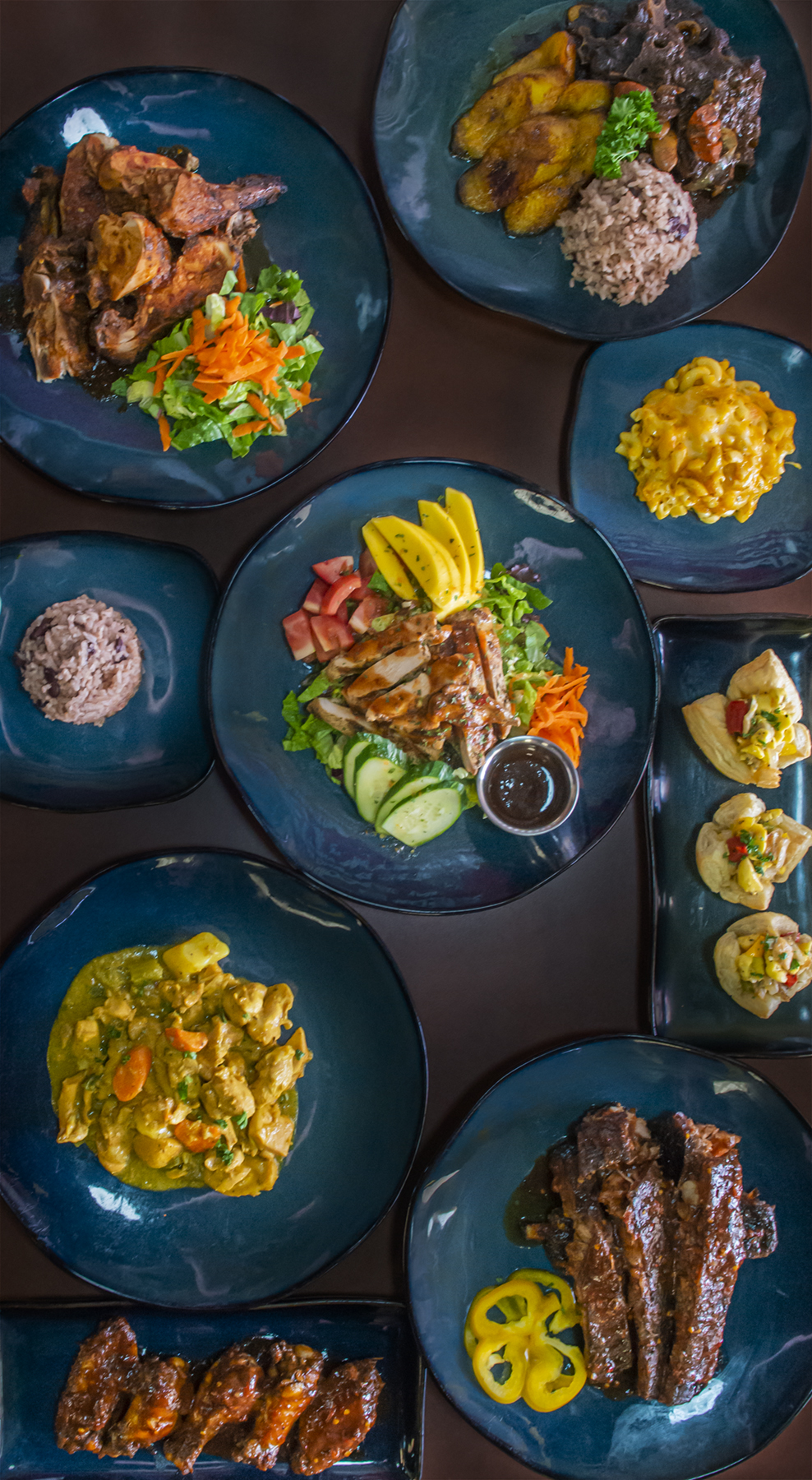
A centennial invites a certain kind of honesty. It asks what endured, what changed, and what people chose to keep cooking even when money was short, ingredients were scarce, or fashions shifted. When we talk about a Jamaican food centennial, we are not only marking time. We are tracing a national palate that formed through survival, trade, memory, and taste sharpened over generations.
Jamaican food has never been static. It has always moved, sometimes by force, sometimes by migration, sometimes by sheer curiosity. African foodways, Indigenous knowledge, British colonial habits, Indian spices, Chinese techniques, Middle Eastern commerce, and the practical ingenuity of rural cooks all left marks on the table. Yet the miracle of Jamaican cuisine is that it does not feel like a patchwork. It feels coherent. A plate of ackee and saltfish, a bowl of mannish water, a piece of escovitch fish with bammy, or a foil packet of jerk pork does not read as a cultural footnote. It reads as itself.
Looking back across roughly a hundred years of national taste, what stands out is not only the famous dishes, but the habits behind them. Jamaicans season deeply. They respect heat, but do not confuse heat with flavor. They build meals around starch as much as around protein, because breadfruit, yam, dumpling, rice, cassava, and green banana have always mattered. They preserve, pickle, stew, roast, curry, and smoke with purpose. They know that a meal must satisfy the mouth and the body.
That practical intelligence is easy to miss if one only encounters Jamaican food through export versions, especially in big cities abroad where the cuisine is often reduced to jerk chicken and patties. Those dishes deserve their popularity, but they tell only part of the story.
A cuisine shaped by land, labor, and movement
The history of Jamaican cooking cannot be separated from the island’s agricultural past. Sugar dominated the colonial economy for centuries, but sugar did not define how ordinary people ate at home. Everyday food came from provision grounds, local fishing, small livestock, markets, and whatever could be stretched into a meal that nourished a household. Many emblematic dishes emerged from this logic of economy and skill. Soup was not merely a starter. It was a full event. One pot could carry pumpkin, yellow yam, cho cho, dumplings, salted meat, split peas, or a cow foot, feeding several people with depth and substance.
By the early twentieth century, Jamaica’s food culture was already highly developed, but it was also marked by class divisions. Elite tables leaned more visibly toward British service styles, imported goods, and formal meal structures. Rural and working households preserved a more direct continuity with Afro-Caribbean food traditions, though even that distinction can be overstated. Food crosses boundaries faster than etiquette books. A rich fruit cake may have had imperial lineage, but over time it became deeply local. Saltfish arrived through trade and necessity, but it became inseparable from national breakfast. Curry powder traveled from the Indian subcontinent through indentureship and adaptation, then settled into Jamaican kitchens with a distinct personality all its own.
Over the last hundred years, migration accelerated this exchange. Jamaicans moved to Panama, Cuba, the United Kingdom, Canada, and the United States, then moved back, sent money home, or returned with altered tastes. Imported canned goods, powdered seasonings, and new fats entered the kitchen. So did pressure cookers, refrigerators, and eventually fast food. But for all these changes, one constant remained: Jamaica absorbed outside influences by seasoning them into local logic.
That is one reason the Jamaican food centennial idea is so compelling. It lets us see cuisine not as a museum object but as a living practice that keeps proving itself under pressure.
The dishes that became national shorthand
Some foods become symbols because they are officially endorsed. Others earn their place because people refuse to let them disappear. Jamaican cuisine has both.
Ackee and saltfish is the obvious case. It is often described in tidy terms as the national dish, but that title can flatten the thing itself. A good ackee and saltfish is about restraint and judgment. The ackee must stay tender, not mashed into yellow paste. The saltfish should be properly soaked and flaked, seasoned but not overwhelming. Onion, tomato, scallion, thyme, and scotch bonnet should support the dish rather than bully it. When done well, it tastes both delicate and assertive, rich yet bright. It is one of the reggaepotjamaicangrill.com jamaican food centennial few famous dishes that actually rewards subtle hands more than aggressive ones.
Jerk is the opposite in public imagination, loud, smoky, fiery, and unmistakable. Yet jerk also suffers when simplified. The old method, especially with pork, depends on much more than pepper. Pimento wood, allspice, thyme, scallion, ginger, and patient smoking create a layered result that a wet sauce from a supermarket bottle cannot reproduce. Across the decades, jerk moved from maroon tradition and roadside craft to tourist icon and global brand. Some of that commercial spread diluted standards, but it also carried Jamaican flavor into places that once knew almost nothing about it.
Then there are the dishes that do not always headline glossy travel features, but without which the cuisine would feel incomplete. Run down, often made with mackerel in coconut milk, speaks clearly of coastal life and thrift. Pepper pot soup carries greens and heat into a satisfying whole. Stew peas turns red kidney beans, coconut milk, spinners, and salted meat into something deeply comforting. Callaloo appears at breakfast, lunch, or dinner without apology. Escovitch fish, with its sharp vinegar dressing and vegetables, shows Jamaica’s gift for balancing rich frying with acid and crunch.
Even the humble patty deserves more respect than it sometimes gets. A properly made beef patty is not only a convenience food. It is a study in texture and proportion. The pastry should be flaky but sturdy, the filling moist but not soupy, the spice present without obliterating the beef. The patty also tells a larger story of urbanization, commuting, and modern appetite. It became a meal for schoolchildren, workers, and anyone needing something hot, fast, and satisfying. Few foods say so much about twentieth-century Jamaica in such compact form.
Seasoning as philosophy
Ask experienced Jamaican cooks what makes the food distinct, and many will start with seasoning, not recipe names. This matters. The cuisine’s identity lives in method as much as in ingredients.
Seasoning in Jamaica often begins long before heat touches the pot. Meat is washed, rubbed, and left to take on flavor. Green seasoning is not a decorative flourish. It is foundational. Scotch bonnet is prized not only for heat, but for its fruity aroma. Thyme appears so often because it does real work. Pimento is one of the island’s great gifts to the world, warm, woody, and instantly recognizable. Ginger, garlic, scallion, onion, black pepper, curry blends, browning, and fresh herbs all contribute to a layered style in which flavor is built, not sprinkled on at the end.
This seasoning philosophy also reveals one of Jamaican cooking’s central tensions: boldness versus balance. Outsiders often celebrate the boldness and stop there. Local cooks know better. Too much thyme can flatten a dish. Too much pimento can make it bitter. Scotch bonnet handled carelessly can erase every other note. The art lies in control.
I have seen this in restaurant kitchens and home kitchens alike. The cooks with the best instincts often use fewer ingredients than enthusiastic novices. They know when the coconut milk needs more salt, when the curry must fry a little longer before the liquid goes in, when the pot should be left alone. They also know that recipes on paper rarely capture this judgment. Jamaican food is often taught by watching, smelling, and tasting beside someone who already knows.
Breakfast, street food, and the everyday table
National cuisine is usually discussed through celebratory dishes, but daily eating habits reveal more. Over the last century, Jamaican breakfasts alone tell a story of changing work patterns, urban life, and family rhythms.
Traditional breakfasts can be substantial: ackee and saltfish, mackerel rundown, callaloo, boiled green banana, fried dumplings, yam, breadfruit, or porridge. Cornmeal porridge, peanut porridge, plantain porridge, and hominy porridge are not side notes. They are full expressions of how Caribbean households think about nourishment. A child sent to school on a well-made porridge has been fed with intent.
At the same time, city life encouraged more portable eating. Patties, coco bread, buns, and small fried snacks became easier answers for people in motion. That shift was not just about convenience. It was also about cost. In many places, a patty served as an affordable meal, and still does. This is one reason fast food in Jamaica never fully displaced local staples. International chains arrived, but they entered a market where people already had strong expectations about flavor, value, and satiety.
Street food, in particular, has been one of the island’s great democratic institutions. Roadside jerk pans, fish fry spots, soup vendors, and patty shops have long functioned as informal culinary schools. You taste regional variation there. You hear arguments over who makes the best festival, whose soup has enough body, whose escovitch has the proper bite. National taste is forged in these ordinary debates far more than in official declarations.
The role of diaspora in preserving and changing the palate
No serious reflection on Jamaican food over the last hundred years can ignore the diaspora. Some of the most fiercely defended versions of Jamaican dishes are cooked outside Jamaica, often by people preserving memory through food. This can make diaspora cooking both conservative and inventive.
Conservative, because certain families freeze a dish in the form they remember from childhood. A grandmother in London or Toronto may insist that this is the correct way to make sorrel, black cake, or rice and peas, because that version carries a place and a person. Inventive, because migration forces adaptation. Not every yam abroad tastes the same. Not every fish is available. Scotch bonnet may be substituted or rationed. Saltfish quality varies. So cooks improvise.
Some of these adaptations end up feeding back into the island. Restaurant trends, packaging, and branding often move through diaspora channels. The Jamaican patty’s international success is one example. Jerk’s spread through New York, Miami, and London is another. But there are subtler cases too, including premium bottled sauces, upscale Caribbean tasting menus, and a growing tendency to frame traditional dishes as gourmet heritage cuisine.
That reframing has benefits and risks. It can win overdue respect for a cuisine long dismissed as rustic or overly casual. It can also smooth away the rough edges that give the food its truth. A tiny composed plate of deconstructed ackee might impress diners, but it does not replace the social life of a real breakfast spread.
Tourism helped, and distorted
Tourism made Jamaican food famous, but fame rarely arrives without simplification. For decades, many visitors encountered a narrow set of dishes prepared for broad appeal. Jerk became sweeter, less smoky. Curries softened. Buffets flattened distinction. Rum punch and tropical fruit stood in for deeper engagement with the island’s cooking traditions.
Still, tourism also created opportunities. It supported restaurants, encouraged culinary entrepreneurship, and gave local producers reasons to preserve or market ingredients tied to Jamaican identity. Some of the best hotel and resort kitchens now make more serious efforts to represent regional dishes faithfully. Food festivals, farm to table initiatives, and chef-driven projects have helped too.
The strongest tourism-linked food experiences tend to happen off the formal resort circuit. A fish tea on a beach, roast yam with saltfish sold from a roadside stand, a pan chicken stop busy after dark, these places teach visitors how Jamaicans actually eat. They also remind policymakers and business owners that authenticity is not a decorative extra. It is the product.
What the last century changed in the pot
Not every change has been romantic. Processed foods, imported substitutes, rising costs, and agricultural vulnerability have all affected the Jamaican table. Bread once baked fresh may be replaced by packaged alternatives. Traditional ground provisions can become expensive. Younger cooks may know brand names better than seasonal cycles. Salt, sugar, and oil have become easier to overuse as convenience foods spread.
Climate and supply also matter. Hurricanes disrupt farming. Fisheries face pressure. Global price shifts affect staples and restaurant menus alike. Anyone reflecting seriously on a Jamaican food centennial has to admit that heritage dishes survive only if the systems behind them remain viable. A cuisine is not preserved jamaican food centennial by praise alone. It needs farmers, fishers, market vendors, transport, and households willing to cook.
At the same time, there is room for sensible evolution. Health concerns are real. Many families now adjust traditional recipes with less salt, leaner cuts, or different cooking methods. The best of these changes do not erase identity. They apply judgment. A steamed fish can be every bit as Jamaican as a fried one. A well-seasoned ital meal can satisfy diners who do not eat meat at all.
A few shifts stand out when comparing older and newer eating patterns:
- Convenience has increased, but expectations around seasoning remain high.
- Restaurant presentation has improved, while home cooking still defines credibility.
- Imported ingredients appear more often, yet local produce continues to anchor the cuisine.
- Health consciousness is stronger now, though indulgent celebratory foods remain central.
- Diaspora influence is more visible than ever, especially in branding and menu design.
Those tensions do not signal decline. They show a cuisine negotiating modern life while defending its core standards.
Regional identity still matters
One mistake outsiders often make is speaking of Jamaican food as though it tastes exactly the same across the island. It does not. Regional habits, local ingredients, and family lineages create variation. Coastal communities tend to handle fish and shellfish with their own emphases. Inland districts lean more heavily on ground provisions, bush teas, and certain soups. Urban centers absorb trends quickly, while rural areas often preserve slower, more seasonal rhythms.
Even a dish as common as rice and peas can vary in texture, coconut strength, bean choice, and seasoning profile. Festival can be sweeter or less sweet. Curry goat may be dark and intense in one place, brighter and more aromatic in another. One cook’s stew chicken carries more browning, another’s more tomato, another’s more thyme.
These differences are not errors needing correction. They are the point. National taste is not uniformity. It is a shared flavor language spoken in local accents.
Memory, ceremony, and the foods that mark time
A century of national taste is also a century of rituals. Jamaican food is deeply tied to Saturdays, Sundays, funerals, Christmas, Easter, market days, school breaks, and late-night gatherings. Some dishes belong to celebration, others to recovery, others to mourning. Soup on a Saturday carries more than nutrition. Sorrel at Christmas carries more than refreshment. Bun and cheese in Easter season is not simply a pairing. It is calendar made edible.
This ceremonial role is one reason certain foods survive modernization better than expected. Even people who do not cook extensively may seek out traditional dishes at specific moments because those dishes anchor identity. A child who grows up eating cereal on weekdays may still expect ackee, callaloo, bun, or a proper Sunday dinner in the right season. That emotional continuity matters.
Food memory can also be unforgiving. If a black cake is too dry, everyone notices. If the Christmas ham lacks the right glaze or clove note, someone will say so. Standards are carried in the body long before they are articulated. The centennial frame brings this into focus. National taste is maintained not by institutions alone, but by households with long memories.
Where Jamaican food goes from here
The future of Jamaican cuisine will likely depend on whether the island can protect the practical conditions that made the food great in the first place. Respect for traditional dishes is important, but respect for ingredients and labor matters more. If pimento trees decline, if good fish becomes harder to access, if young people see no future in farming or cooking, the most beautiful narratives about heritage will ring hollow.
There are reasons for confidence. Jamaican food remains one of the world’s most recognizable and resilient cuisines. Its flavor profile is distinct enough to travel and strong enough to resist dilution. Young chefs are revisiting older techniques. Home cooks continue to pass on methods by repetition rather than performance. Diaspora communities keep demand alive. Visitors increasingly want substance over novelty.
The smartest path forward is not to freeze the cuisine at some imagined golden moment. It is to protect standards while allowing honest adaptation. That means teaching technique, valuing local produce, naming regional differences, and resisting the temptation to reduce the whole culinary tradition to a handful of export-friendly dishes.
A real Jamaican food centennial reflection should leave room for pride and scrutiny at the same time. Pride, because few cuisines have turned such a complex history into food of such clarity and pleasure. Scrutiny, because every generation decides what will be remembered in practice, not just in language.
After a hundred years of changing tastes, technologies, and markets, the strongest evidence of Jamaica’s culinary durability is simple. The food still tastes like somewhere. It still carries smoke, pepper, starch, brine, sweetness, and memory in proportions that could come from nowhere else. It still asks for appetite, conversation, and discernment. And when it is made well, whether on a roadside drum, in a family kitchen, or on a restaurant pass, it still delivers the same unmistakable message: this is not trend food, this is a nation speaking through flavor.
Reggae Pot Jamaican Grill
Address: 7562 S University Blvd C, Centennial, CO 80122
Phone number: +13039975623
FAQ About Jamaican Food Centennial
What is typical Jamaican food?
Typical Jamaican food features bold, vibrant flavors created by blending African, Taino, European, and Asian influences.
What is a famous Jamaican dish?
The most famous Jamaican dish is Ackee and Saltfish, which is the national dish of Jamaica.
What are the top 10 foods to eat in Jamaica?
AI Overview The top 10 traditional foods to eat in Jamaica are bold, flavorful dishes that mix local ingredients with global influences.