100 Years of Caribbean Food: Centennial Recipes and Traditions
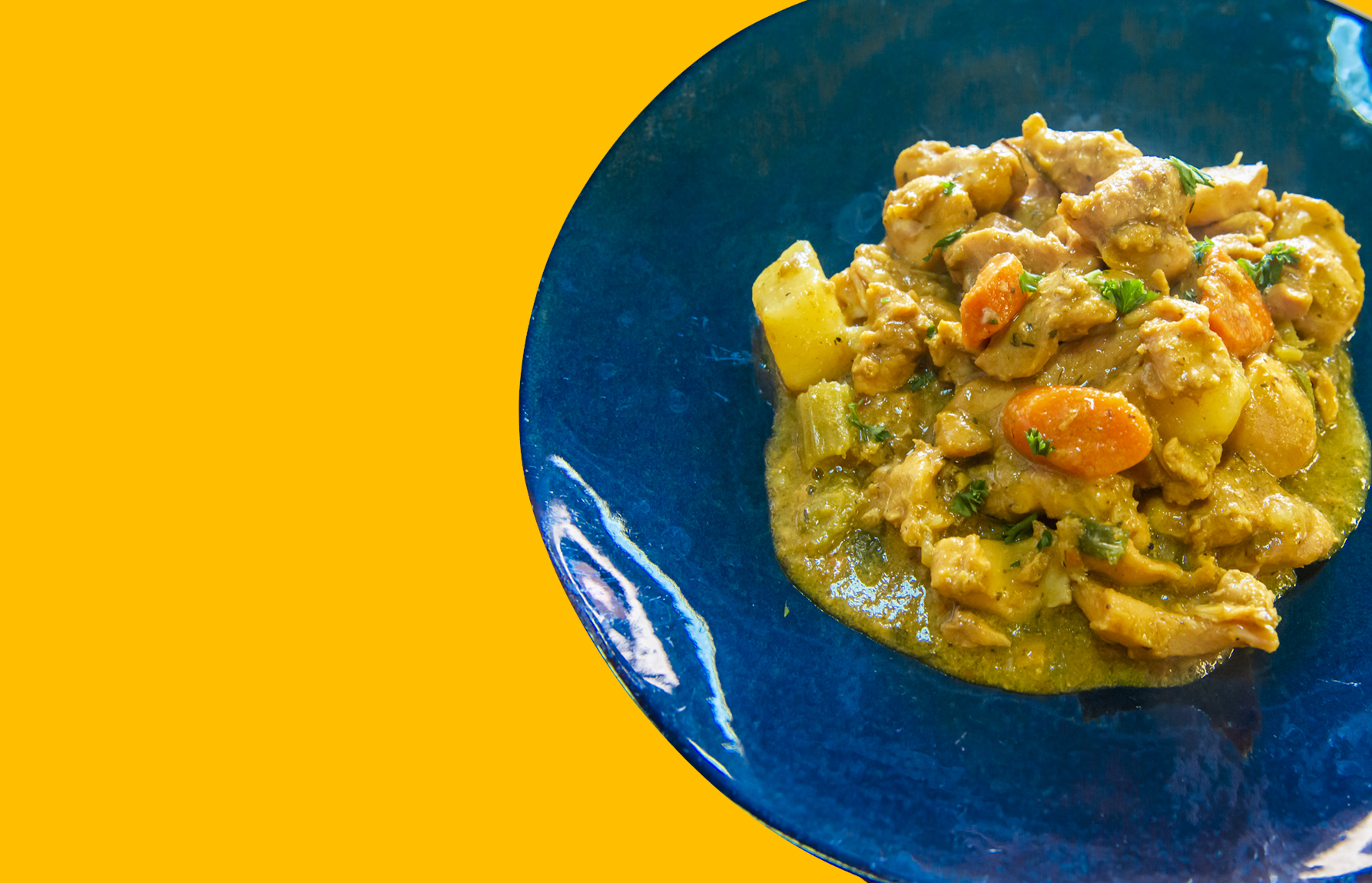
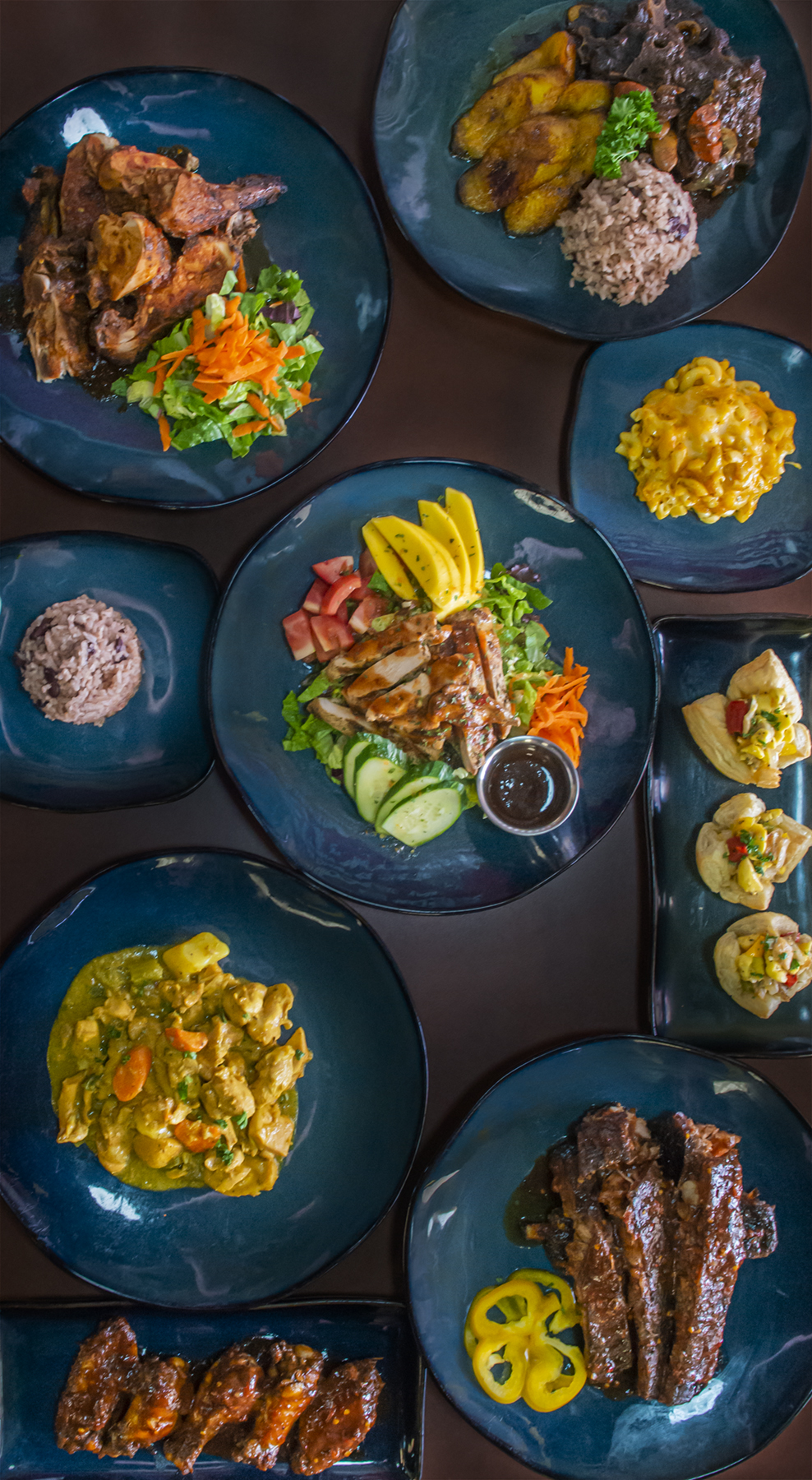
Caribbean food carries memory in a way few cuisines do. A pot of pelau can tell you about migration, scarcity, celebration, and family hierarchy before anyone says a word. A slice of cassava pone or a spoonful of callaloo can place you on a specific island, in a specific decade, often in a specific kitchen. Looking at a century of Caribbean cooking is not really an exercise in nostalgia. It is a practical way to understand how people across the region kept flavor intact while adapting to empire, trade, war, tourism, independence, and diaspora.
Any honest account of Caribbean food over the last hundred years has to start with a simple truth: there is no single Caribbean table. Jamaica is not Trinidad. Barbados is not Haiti. Puerto Rico is not Dominica. The Dutch, French, Spanish, British, Indigenous, African, Indian, Chinese, Lebanese, Syrian, and later North American influences did not settle evenly. Ingredients overlap, techniques travel, but local identity remains fierce. Rice and peas in one place becomes peas and rice elsewhere. Pepper sauce changes character from island to island. The same fish can appear escovitched, stewed, curried, salted, or fried depending on the coast, the market, and the cook.
What unites the region is not one dish but a shared pattern of culinary resilience. Across the last century, cooks made something memorable from what was available. They relied on preservation when refrigeration was limited, layered spices to build depth from modest ingredients, and treated communal cooking as both labor and celebration. That is what makes a caribbean food centennial worth marking. The recipes endure, but so do the habits that shaped them.
The old kitchen economy
A hundred years ago, many Caribbean kitchens ran on constraints that now feel distant in urban life but remain familiar in some rural communities. Coal pots, wood fires, outdoor cooking sheds, heavy iron pots, hand-grated coconut, and market trips tied to fishing boats or harvest days all shaped how food tasted. Smoke, timing, and patience mattered because heat was less predictable. You did not casually turn a burner up or down. You worked with what the fire gave you.
Salted cod, smoked herring, salt beef, flour, rice, split peas, cassava, yams, breadfruit, green banana, pigeon peas, and seasonal fish formed the backbone of many meals. Fresh herbs and peppers came from kitchen gardens. Coconut was not a specialty ingredient. It was a daily one. In many households, children learned early how to crack coconuts, grate flesh, squeeze milk through cloth, and reserve the thick and thin extractions for different stages of cooking.
That older kitchen economy explains why certain dishes still feel foundational. They were efficient, deeply flavored, and adaptable. A one-pot rice dish could stretch meat for a large family. A soup could absorb root vegetables before they spoiled. A fritter batter could turn small amounts of saltfish into something substantial. The idea of waste had little place in these kitchens. Fish heads became broth. Stale bread became pudding. Fruit at peak ripeness became jam, punch, cake, or preserves.
The food was also tied to time. Saturday might mean soup. Sunday often meant a larger meal, with rice, peas, stewed meat, and dessert if money allowed. Christmas brought black cake, sorrel, ham, pastelles, pepperpot, or great cake depending on the island. Easter brought bun and cheese in Jamaica, saltfish in many Catholic homes, and hot cross buns in former British territories. caribbean food centennial Carnival, Emancipation observances, wakes, christenings, and weddings all had their own foods, and the recipes attached to them were rarely casual.
The century through the pot
If you trace the last hundred years dish by dish, you see several big shifts. Imported ingredients became more common, refrigeration changed buying habits, tourism influenced restaurant menus, and migration carried island recipes into London, Toronto, New York, Miami, Amsterdam, and beyond. Yet the most interesting changes are rarely dramatic. caribbean food centennial They happen in seasoning, shortcuts, substitutions, and status.
Take rice. In many islands, imported rice increasingly displaced some local starches over the 20th century because it was convenient, shelf-stable, and easy to stretch. That did not erase breadfruit, dasheen, yam, cassava, or green fig, but it changed the frequency with which households reached for them. In some places, rice became the default center of the plate, while ground provisions shifted toward weekend meals, elder preferences, or special dishes.
Protein changed too. Tinned corned beef, sardines, mackerel, and luncheon meat became important in working households at different points in the century, especially when fresh meat was expensive or irregular. These products show up in breakfast dishes, rice dishes, sandwiches, and quick stews. There is a tendency to dismiss them now as low-status food, but that misses the point. For decades they were practical, available, and often genuinely beloved. Plenty of adults still crave the exact taste of corned beef sautéed with onion, tomato, thyme, and black pepper because it tastes like school mornings and payday meals.
Then there is cooking fat. Coconut oil, lard, butter, margarine, and later refined vegetable oils all had their eras and price points. This matters because texture and aroma changed with them. Older fried bakes, festivals, and fritters often tasted different not because the recipe changed on paper, but because the fat did.
Sugar is another quiet marker of the century. The Caribbean’s colonial economy was built around it, yet the home use of sugar evolved with access to imported products and shifting health advice. Traditional sweets remained dense and unapologetic, from tamarind balls to coconut drops to dulce de leche-style condensed milk confections, but portions and frequency shifted over time. What was once a homemade everyday treat in some households became a bakery item or holiday food in others.
Recipes that have carried the century
Certain dishes have survived every culinary fashion because they do real work. They feed many people, absorb local variation, and still satisfy modern appetites.
Pepperpot, soup, and the long simmer
Across the region, long-simmered dishes hold unusual authority. Guyanese pepperpot is a classic example, dark with cassareep and warm spice, often associated with Christmas morning and repeated reheating that deepens flavor. Jamaican soups, especially Saturday soups with yellow yam, dumplings, pumpkin, and beef or chicken, serve a similar emotional function, though with a different flavor profile. In Haiti, soup joumou carries an even more explicit historical meaning, tied to independence and dignity after enslavement. These are not just recipes. They are declarations of continuity.
Long simmering was not only about tenderness or taste. It fit the rhythm of life. A pot could stay on the fire while the rest of the house ran on. It welcomed tougher cuts, root vegetables, and seasoning that needed time to mellow. Even now, in faster kitchens, these dishes resist being rushed. Pressure cookers help, but they do not fully replace the flavor you get when starches, meat, herbs, and spice spend hours in the same pot.
Rice dishes that can feed a crowd
Pelau in Trinidad and Tobago, cook-up rice in Guyana, rice and peas in Jamaica, pigeon peas and rice across the Eastern Caribbean, arroz con gandules in Puerto Rico, and related dishes throughout the region represent one of Caribbean cooking’s smartest instincts: combine grain, legumes, seasoning, and a modest amount of protein into something complete.
The detail that often separates an average rice dish from a memorable one is caramelization and timing. In a good pelau, the sugar browns just enough to coat the meat and start a dark base without tipping into bitterness. In cook-up rice, coconut milk, herbs, and stock need enough time to work into the grain, not sit on top of it. In rice and peas, the peas should season the rice, not merely share the pot. These distinctions sound small until you taste the difference.
I have seen excellent home cooks argue for ten minutes over whether the rice should finish covered on a very low flame or rest off the heat wrapped in newspaper or a towel. Those debates matter because Caribbean food is often measured less by ingredient novelty than by control. Anybody can put rice, peas, and coconut milk together. Not everyone can get the pot to taste settled, integrated, and generous.
Ground provisions and the dignity of starch
Ground provisions do not always get glamour, especially in restaurant versions of Caribbean food aimed at tourists. That is a mistake. Boiled green banana, yam, sweet potato, cassava, eddoes, dasheen, and breadfruit are not placeholders on the plate. They are central to the region’s food history. They sustained households before and after imported staples became common. They work with saltfish, smoked herring, run down, ackee, stewed fish, and rich gravies because they absorb flavor without disappearing.
Breadfruit deserves special mention. Roasted, boiled, fried, or made into chips, it represents the Caribbean talent for turning a substantial crop into many textures. A properly roasted breadfruit has a smoky crust and soft interior that can stand next to almost anything. Served with saltfish sautéed with tomato and onion, it becomes the kind of meal people remember for decades.
Sweet baking as archive
Caribbean baking often hides extraordinary labor behind familiar names. Black cake, great cake, rum cake, cassava pone, coconut tart, guava duff, sweet potato pudding, and spice buns all preserve techniques that developed in homes rather than formal pastry kitchens. Fruits were soaked for weeks or months. Batters were mixed by hand. Pones and puddings relied on judging texture by eye and feel, not digital thermometers.
Black cake offers one of the clearest examples of a century in one recipe. British fruitcake forms the base, but Caribbean versions transform it with local rum, burnt sugar or browning, mixed spice, citrus peel, and fruit macerated to a near paste. The result is darker, more aromatic, and more assertive than its ancestor. Every family seems to have a house style. Some want it almost wet with alcohol. Others insist it must slice neatly. Both camps will swear their version is the correct one.
Seasoning is where the story lives
People often reduce Caribbean food to heat. Anyone who cooks it seriously knows the real signature is seasoning. Scotch bonnet and other hot peppers matter, but they sit inside a much wider system of flavor building: thyme, scallion, garlic, onion, pimento, celery, chive, culantro in some islands, parsley in others, curry blends, allspice, ginger, clove, cinnamon, citrus juice, vinegar, browning, coconut milk, and fresh herbs added at different stages.
Green seasoning in Trinidad and neighboring islands is a perfect case study in living tradition. It is not a fixed recipe. One household uses more chadon beni, another leans on thyme and scallion, another adds enough pepper to make the bottle almost a sauce. That flexibility is exactly why it survives. It acts as a flavor insurance policy. Rub it on chicken, stir it into stews, fold it into ground meat, spoon it over fish, and dinner is already halfway toward tasting like home.
The trade-off with seasoning is that convenience can flatten it. Bottled versions help busy cooks, especially in the diaspora, but they can lose brightness. Frozen herbs hold up better than many people expect. Dried thyme works in a pinch. Pre-minced garlic often does not. The old cooks who insisted on pounding fresh aromatics were not being romantic. They were protecting volatile flavors that fade quickly once processed.
Migration changed the menu, but not the core
The Caribbean diaspora is one of the major food stories of the last century. From the Windrush generation in Britain to Caribbean communities in Brooklyn, Miami, Toronto, and Rotterdam, migrants rebuilt their tables with whatever they could find. Sometimes that meant using collard greens when callaloo was scarce, habaneros when Scotch bonnets were unavailable, or canned coconut milk instead of fresh. Sometimes it meant building informal supply chains, with relatives carrying spice blends, cassava bread, tamarind, or homemade preserves in suitcases.
Diaspora cooking created two parallel effects. First, it preserved dishes that might have declined back home as younger generations embraced imported or globalized food. Second, it changed the dishes themselves. Jamaican patties in London developed their own audience and texture expectations. Trinidadian doubles in New York adjusted to ingredient availability and pace of service. Puerto Rican pasteles made in Orlando or the Bronx became group projects timed around freezer space and work schedules.
This is where authenticity debates usually start, and they can be exhausting. A more useful question is whether the dish still carries the logic of the tradition. Does it respect the balance of seasoning, texture, and purpose that made the original matter? A saltfish fritter baked instead of fried is different, yes. It may even be inferior in crunch. But if it still tastes properly of cod, herb, onion, and pepper, and still serves the same role at the table, it remains inside the tradition.
The festive table across generations
Nothing reveals the endurance of Caribbean food more clearly than holiday cooking. Ask people what dish their family absolutely refuses to outsource, and you often get a Christmas answer. Ham might be bought, but the glaze is family business. Black cake is protected territory. Sorrel gets argued over, especially the cloves to ginger ratio and whether orange peel belongs in the steeping liquid. Pastelles become assembly-line work. Pepperpot gets made days ahead because everyone knows it tastes better after resting.
The mechanics of these meals tell you as much as the flavors do. Work is shared, but not equally. One person seasons meat, another handles pastry or banana leaves, another washes and trims herbs, and the eldest cook often controls the final adjustment. That last moment, the tasting and correction, is where culinary authority sits. More thyme. Less salt. A little sugar. Another splash of rum. Five extra minutes. These micro-decisions rarely appear in written recipes, yet they determine whether a dish tastes ordinary or exact.
A useful way to think about centennial traditions is to see them as methods of remembering, not just menus. Families may no longer live under one roof. People may buy more than they once made from scratch. But if the holiday still triggers the same recipes, the same smells, and the same arguments over proper technique, the tradition remains alive.
Five dishes that capture the Caribbean century
- Pepperpot or another long-simmered holiday stew, because it preserves technique, symbolism, and communal eating.
- A one-pot rice dish such as pelau, cook-up rice, or arroz con gandules, because it shows thrift, seasoning skill, and adaptation.
- Saltfish with ground provisions or provisions with a savory accompaniment, because preserved protein and local starches defined everyday resilience.
- Black cake or cassava pone, because Caribbean baking stores history in texture, spice, and celebration.
- Pepper sauce or green seasoning, because condiments often reveal a region’s palate more clearly than main courses do.
What the modern cook can learn from the old table
Centennial cooking is not about reenactment. Few people need to grate coconut by hand at dawn to prove seriousness. But there are lessons in the older methods that reward any modern kitchen.
First, build flavor in stages. Caribbean food almost always tastes better when onions, garlic, herbs, and spices are given proper time at the start rather than dumped into liquid at the end. Browning meat matters. Resting stews matters. Marinating, even for an hour, matters.
Second, respect starch. Rice, breadfruit, dumplings, cassava, and yam are not blank fillers. Cook them with the same attention you give protein. Salting the water correctly, managing texture, and serving at the right moment changes the whole meal.
Third, season with intent, not aggression. Not every dish needs maximum heat. Some of the best Caribbean cooks I know use pepper strategically, letting aroma and fruitiness come through rather than making every plate punishingly hot.
Fourth, keep the table social. Caribbean food loses part of itself when treated only as individual plating. It was built for sharing pots, passing bowls, second helpings, and conversation about who cooked what better ten years ago. Even in a small apartment, that spirit is easy to keep.
For cooks trying to bring these traditions into a modern routine, a few practices help:
- Make a batch of green seasoning and use it across the week.
- Keep one preserved ingredient on hand, such as saltfish, smoked herring, or quality canned fish.
- Learn one rice dish and one soup well enough to cook without checking the recipe constantly.
- Use the freezer for practical preservation, especially grated coconut, chopped herbs, and marinated meats.
- Save the labor-intensive sweets and holiday dishes for occasions when the work itself can be shared.
Restaurants, tourism, and the question of representation
Over the last century, hotels and restaurants played a mixed role in the public understanding of Caribbean food. They helped popularize certain dishes, but they also narrowed the image of the cuisine. Visitors were often served a selective version heavy on grilled seafood, rum drinks, jerk, fried plantains, and sweet sauces, while the quieter backbone of the region’s cooking stayed in homes and roadside stalls.
That imbalance is slowly improving. More chefs now treat Caribbean food as a serious archive rather than a colorful novelty. They are reviving breadfruit, cassava, local cacao, bush teas, and heritage varieties of produce. They are serving callaloo with the dignity it deserves, not as a decorative side. They are documenting old methods before they vanish with aging cooks. The best of this work respects the intelligence of home cooking instead of trying to replace it.
Still, there is a tension. Professional kitchens often refine dishes for presentation, lighter texture, or cost control. Sometimes that works beautifully. Sometimes it strips out the very weight and generosity that made the original memorable. A miniature serving of soup joumou may be elegant, but if it loses the sense of abundance and historical force, it becomes more symbol than meal. Judging these adaptations requires nuance. Innovation is not betrayal, but neither is every update an improvement.
What endures after 100 years
After a century of change, the essentials of Caribbean food remain remarkably stable. It still values seasoning over spectacle, community over fuss, and ingenuity over abundance. It still turns preservation into flavor. It still treats festive cooking as a serious craft. It still allows each island, and often each household, to defend its own standards with passion.
That endurance matters because recipes are only half of what gets passed down. The other half is judgment. How dark to take the sugar before adding meat. When coconut milk needs thinning. Which herb goes in early and which should wait. How to tell, from smell alone, that the pot has reached the right point. Those skills often survive migration, shortages, and modernization better than written instructions do.
A true caribbean food centennial is not a museum exercise. It is a living table shaped by memory and appetite, still moving, still adapting, still exacting in all the ways that matter. The dishes that lasted a hundred years did not survive by accident. They survived because they kept feeding people well, materially and emotionally, through every kind of change. That is the strongest tradition any cuisine can claim.
Reggae Pot Jamaican Grill
Address: 7562 S University Blvd Unit C, Centennial, CO 80122
Phone: (303) 997-5623
FAQ About caribbean food centennial
What Jamaican dishes can I try in Centennial?
Reggae Pot Jamaican Grill serves Jamaican specialties such as jerk chicken, stewed oxtail, curry goat, and ackee and saltfish. Check the current menu for availability.
What is ackee and saltfish?
It is Jamaica’s national dish. The restaurant prepares ackee with salted cod, onions, thyme, tomatoes, garlic, black pepper, and pimento.
Can I order Jamaican food for pickup in Centennial?
Yes. Choose the Centennial location at 7562 S University Blvd Unit C when placing a takeout order.